

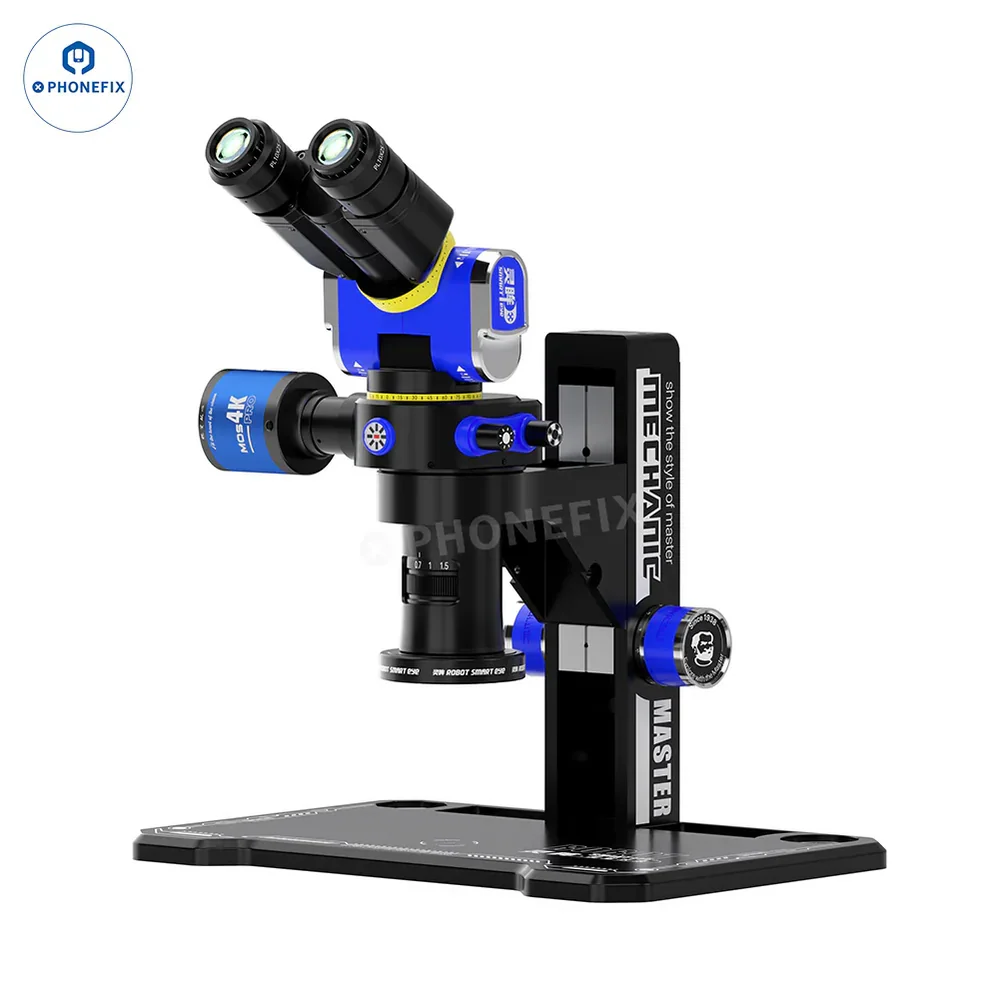
When it comes to electronic soldering repair, precision and accuracy are paramount. One wrong move or misplaced joint can lead to device failure or even irreparable damage. That’s where microscopes for electronic soldering repair come in handy. These tools provide the magnification needed to see intricate details, enabling you to make precise connections and avoid costly mistakes. In this article, we’ll delve into the top microscopes for electronic soldering repair on the market.
Understanding the Importance of Microscopes in Electronic Soldering Repair
Microscopes play a crucial role in electronic soldering repair. They enable technicians to see minute details that are otherwise invisible to the naked eye. High-level magnification ensures that each soldering joint is accurately placed and the connection is secure, reducing the likelihood of device malfunction.
Moreover, using a microscope for soldering repair minimizes eye strain, a common issue for technicians who spend long hours working on tiny electronic components. A good microscope also provides adjustable lighting conditions, allowing you to see clearly regardless of the ambient lighting.
Key Features to Look for in a Microscope for Soldering Repair
When choosing a microscope for electronic soldering repair, there are several key features to consider. First and foremost is the level of magnification. The microscope should provide sufficient magnification to clearly see the smallest electronic components. Most technicians find that a magnification range of 10x to 40x is adequate for most soldering tasks.
The second important feature is the quality of the optics. The microscope should deliver a clear, bright image with accurate color representation. A microscope with a wide field of view and adjustable lighting will allow you to easily focus on the task at hand.
Lastly, consider the ergonomics of the microscope. You’ll be spending a lot of time using this tool, so it’s important that it’s comfortable to use. Look for a microscope with a sturdy, adjustable stand and a comfortable eye relief.
Top Microscopes for Electronic Soldering Repair
Now that we’ve covered the basics of what to look for in a microscope for soldering repair, let’s take a look at some of the top models on the market. We’ve selected these models based on their magnification capabilities, optical quality, and overall user satisfaction.
First on our list is the AmScope SE400-Z Professional Binocular Stereo Microscope. This model offers a wide magnification range of 10x to 20x, making it suitable for a variety of soldering tasks. Its binocular head provides a comfortable viewing experience, while the adjustable gooseneck LED light ensures that you have ample illumination for your work.
Another top contender is the Celestron 44341 LCD Digital Microscope. This model boasts a 4.3-inch color LCD screen that allows you to view your work in real-time without straining your eyes. It also offers a magnification range of 10x to 200x, meaning you can use it for even the most delicate soldering tasks.
Finally, we recommend the Plugable USB 2.0 Digital Microscope. This model is a great choice for those on a budget. It offers a magnification range of 10x to 250x and features built-in LED illumination. Plus, it can be connected to a computer via USB, allowing you to view and capture your work digitally.
Where to Buy Microscopes for Electronic Soldering Repair
Whether you’re a professional technician or a DIY enthusiast, finding a reliable source for your soldering repair tools is crucial. For a wide range of quality microscopes for electronic soldering repair, we recommend checking out the phone repair store. They offer a variety of models to suit different needs and budgets, from basic models for beginners to professional-grade microscopes for experienced technicians.
Conclusion
Having the right microscope for electronic soldering repair can make a significant difference in the quality of your work. By providing a clear, magnified view of the components you’re working on, a good microscope helps ensure precise soldering and reduces the risk of errors. Remember to consider factors like magnification range, optical quality, and ergonomics when choosing your microscope. With the right tool, you can tackle any soldering task with confidence and precision.
FAQs
Q: What magnification do I need for soldering?
A: Most soldering tasks can be performed with a microscope that has a magnification range of 10x to 40x. However, for very small components, higher magnification may be required.
Q: Can a digital microscope be used for soldering?
A: Yes, a digital microscope can be an excellent tool for soldering. They often come with built-in LED lights for illumination and can be connected to a computer for real-time viewing and image capture.
Q: How do I maintain my soldering microscope?
A: Keep the lenses clean using a lens cleaning solution and a soft cloth. Regularly check the microscope for any signs of wear and tear, and have it serviced if necessary.