


Introduction
Natural remedies have been around for centuries, long before pharmaceutical drugs existed. And while some old remedies are simply myths, many are genuinely effective—backed by science, clinical research, and thousands of success stories. The key is knowing which natural remedies are proven and which ones are just hype.
In this evidence-based guide, we’ll explore natural solutions that actually work, how they benefit your body, and the safest ways to use them. Whether you’re looking to ease anxiety, boost immunity, reduce inflammation, sleep better, or soothe digestive issues, this guide will walk you through the best natural remedies you can trust.
1. Understanding Natural Remedies
What Are Natural Remedies?
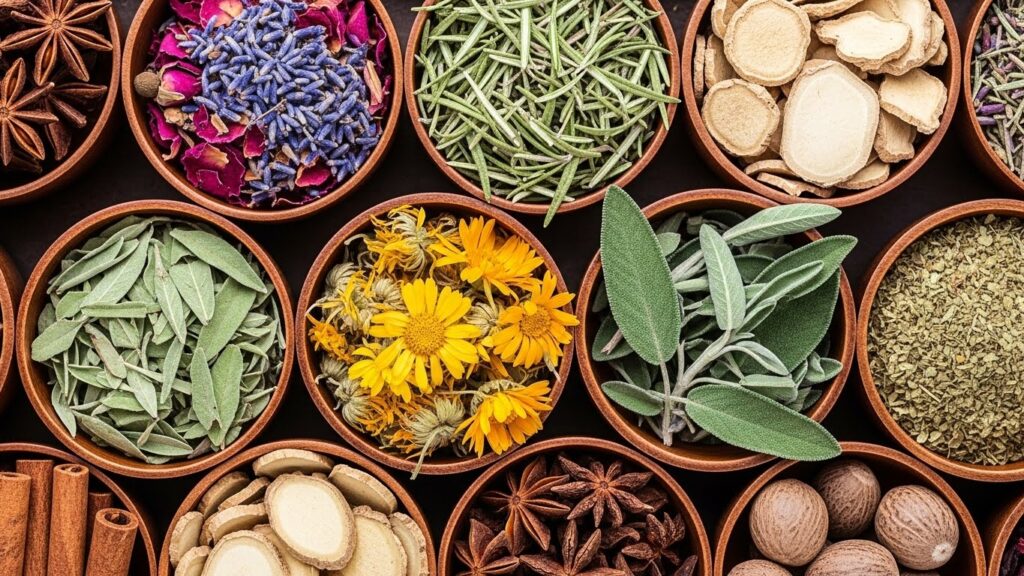
Natural remedies include herbs, plants, oils, minerals, and lifestyle practices used to support health without synthetic chemicals. Examples include ginger tea, lavender oil, turmeric, and melatonin.
Why People Prefer Natural Solutions
People choose natural remedies because they:
-
Have fewer side effects
-
Are affordable and accessible
-
Support long-term well-being
-
Come from trusted traditional medicine systems
When used correctly, natural remedies can complement modern medicine—not replace it.
2. The Science Behind Natural Healing
How Natural Compounds Interact With the Body
Herbal and natural remedies often contain:
-
Antioxidants
-
Anti-inflammatory compounds
-
Vitamins and minerals
-
Bioactive plant chemicals
These compounds help reduce oxidative stress, support immune function, balance hormones, and soothe inflammation.
Evidence vs. Myth: What the Research Says
Not all natural cures are created equal. Some, like turmeric and ginger, have hundreds of clinical trials supporting their benefits. Others rely solely on anecdotal evidence.
This guide focuses only on proven, research-backed remedies.
3. Herbal Remedies Backed by Science
Turmeric (Curcumin): Anti-Inflammatory Powerhouse
How It Works
Curcumin, the active compound in turmeric, reduces inflammation, improves joint health, and fights oxidative stress.
Studies show it’s comparable to some anti-inflammatory drugs—without the side effects.
Best Ways to Use It
-
Add turmeric to food
-
Take curcumin supplements
-
Combine with black pepper for better absorption
Ginger: For Nausea and Digestive Support
Clinical Benefits
Ginger has been shown to reduce:
-
Morning sickness
-
Motion sickness
-
Post-surgery nausea
-
Indigestion and bloating
Safe Dosage
Most studies use 1–2 grams of ginger daily.
Garlic: Heart Health and Immunity Support
Proven Effects
Garlic helps:
-
Lower blood pressure
-
Reduce cholesterol
-
Strengthen immunity
-
Fight infections
How to Use Garlic Medicinally
-
Eat raw garlic
-
Use aged garlic extract
-
Add fresh garlic to meals
Raw garlic offers the strongest effect.
4. Natural Remedies for Stress and Anxiety
Ashwagandha: Adaptogenic Stress Relief
What Studies Show
Ashwagandha reduces cortisol (the stress hormone), improves sleep, and enhances emotional stability.
Recommended Usage
Most people benefit from 300–600 mg per day.
Chamomile: Gentle Anxiety & Sleep Support
Why It Works
Chamomile contains apigenin, a compound that promotes relaxation and reduces anxiety.
How to Take It
-
Drink chamomile tea
-
Use chamomile extract
-
Take chamomile supplements
Lavender: Calming Aromatherapy
Evidence for Relaxation
Lavender essential oil has been proven to:
-
Lower heart rate
-
Reduce anxiety
-
Improve sleep quality
Ways to Use Lavender Oil
-
Diffuse it
-
Massage diluted oil on your skin
-
Add to a warm bath
5. Natural Pain Relief Methods
Peppermint Oil for Headaches
How It Reduces Pain
Peppermint oil contains menthol, which relaxes muscles and improves blood flow.
Proper Application
Apply diluted peppermint oil to:
-
Temples
-
Forehead
-
Neck muscles
Capsaicin Cream for Joint Pain
The Science Behind It
Capsaicin interrupts pain signals and reduces discomfort from arthritis and nerve pain.
Who Should Use It
Ideal for people with:
-
Chronic joint pain
-
Muscle soreness
-
Nerve pain
6. Natural Remedies for Better Sleep
Melatonin: Hormone for Sleep Regulation
Is Melatonin Safe?
Yes—when used correctly. It helps regulate sleep cycles and supports deeper rest.
Best Times to Use It
Take 0.5–3 mg about 30 minutes before bedtime.
Valerian Root: Natural Sedative
Evidence of Effectiveness
Studies show valerian root improves:
-
Sleep latency (falling asleep faster)
-
Sleep quality
-
Stress levels
Suggested Dosage
Typically 300–600 mg before bed.
7. Immune-Boosting Natural Remedies
Elderberry: Viral Defense Support
Elderberry helps reduce the duration and severity of colds and flu.
Vitamin C: Powerful Antioxidant
Supports immune cell function and enhances recovery.
Probiotics: Gut Health & Immunity Connection
70% of your immune system lives in your gut—probiotics strengthen that system.
8. Skin and Beauty Remedies That Work
Aloe Vera for Burns & Skin Irritation
Aloe speeds up healing, cools the skin, and reduces irritation.
Tea Tree Oil for Acne
Kills bacteria and reduces inflammation—perfect for mild to moderate acne.
Honey for Wound Healing
Raw honey has antibacterial properties and promotes tissue repair.
9. Natural Remedies for Digestive Health
Peppermint Tea for IBS
Helps soften intestinal muscles and reduce cramping.
Fennel Seeds for Bloating
Supports digestion and reduces gas.
Apple Cider Vinegar for Digestion
Boosts stomach acid and improves nutrient absorption.
10. Safety Tips When Using Natural Remedies
When to Avoid Certain Herbs
Pregnant women, breastfeeding mothers, and people with chronic illnesses should avoid strong herbs unless approved by a doctor.
Interactions With Medications
Some natural remedies interact with:
-
Blood thinners
-
Diabetes medication
-
Antidepressants
Always research or consult a professional.
How to Use Natural Remedies Responsibly
-
Start with small doses
-
Buy from reputable brands
-
Watch for allergic reactions
-
Never mix too many remedies at once
Conclusion
Natural remedies can be powerful, safe, and incredibly effective when used correctly. With research-backed herbs like ginger, turmeric, chamomile, elderberry, aloe, and more, you can support your health naturally—whether you’re easing stress, fighting inflammation, improving digestion, or boosting immunity. Think of these remedies as tools in your wellness toolbox, helping you live a healthier, more balanced life without relying solely on medication.
FAQs
1. Are natural remedies safer than medication?
Some are safer, but not all. Always use them responsibly and check for interactions.
2. How long do natural remedies take to work?
Some work immediately (like peppermint for headaches), while others work gradually.
3. Can I use multiple remedies at the same time?
Yes, but avoid combining too many herbs unless guided by a professional.
4. Are natural remedies effective for chronic illness?
They can help manage symptoms, but they shouldn’t replace medical treatment.
5. What’s the best natural remedy for stress?
Ashwagandha, lavender, and chamomile are the most scientifically supported options.
