

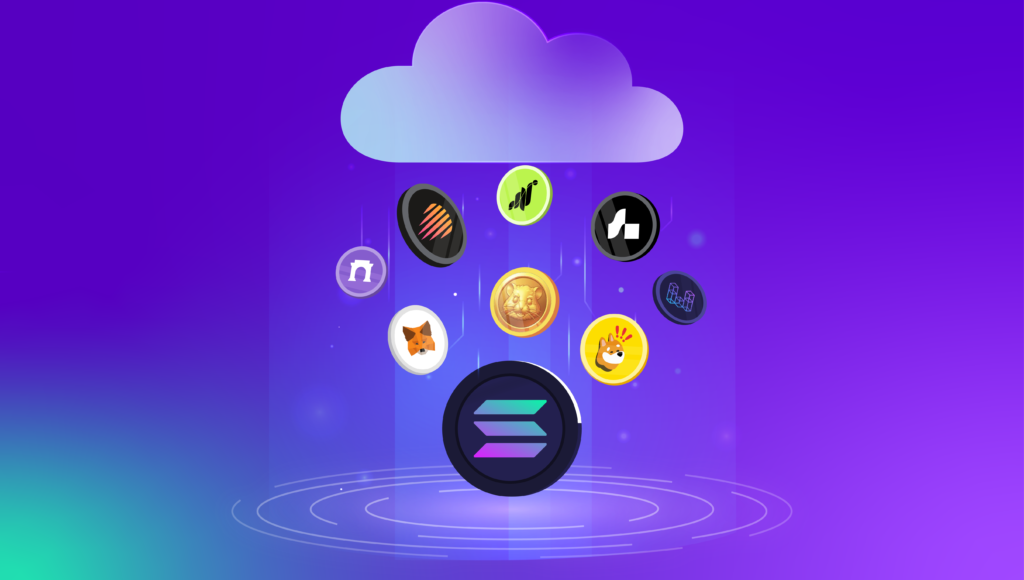
Token airdrops remain one of the most effective methods for blockchain projects to distribute tokens, reward early supporters, and build engaged communities. For Solana-based projects, choosing the right platform determines whether your airdrop reaches genuine users or gets exploited by bot farms. The speed and low transaction costs of Solana make it ideal for large-scale distributions, but only when paired with platforms that prioritize security and efficiency.
This guide examines seven proven platforms for conducting Solana airdrops. Each offers distinct advantages depending on your project’s size, technical requirements, and community engagement goals. Whether you’re launching a new NFT collection or distributing governance tokens, understanding these platforms helps you execute campaigns that strengthen rather than dilute your community.
What Makes a Solana Airdrop Platform Reliable
Security features separate professional airdrop platforms from amateur solutions. The best platforms incorporate wallet verification mechanisms that filter out duplicate accounts and suspicious addresses. They should offer transaction batching to minimize network congestion and reduce costs, even though Solana fees remain negligible compared to Ethereum.
User interface matters more than many founders realize. Complex platforms create friction that reduces participation rates. Look for services that generate simple claim pages, support CSV uploads for recipient lists, and provide real-time analytics on distribution progress. The platform should also maintain detailed transaction records for tax reporting and compliance purposes.
Integration capabilities extend a platform’s usefulness beyond single campaigns. Services that connect with Discord, Twitter, or on-chain analytics tools enable more sophisticated targeting. Some platforms now offer conditional airdrops that unlock based on user behavior, creating ongoing engagement rather than one-time token dumps.
SolForger: Comprehensive Distribution Tools
SolForger provides end-to-end airdrop management specifically designed for Solana projects. The platform handles both SPL tokens and compressed NFTs, making it versatile for different campaign types. Its batch processing engine can distribute to thousands of wallets in minutes while maintaining detailed logs of every transaction.
The platform’s standout feature is its anti-Sybil detection system. By analyzing wallet activity patterns and cross-referencing known bot addresses, it flags suspicious recipients before distribution begins. This solana airdrop tool also includes customizable eligibility criteria, letting you target holders of specific tokens or NFTs, active voters in your DAO, or wallets meeting transaction thresholds.
SolForger charges a flat fee per distribution campaign rather than per-wallet fees, making it cost-effective for large airdrops. The dashboard provides post-campaign analytics showing claim rates, geographic distribution, and secondary market activity of distributed tokens.
Streamflow: Vesting and Time-Locked Distributions
Streamflow specializes in token vesting schedules rather than instant distributions. This approach works well for team allocations, advisor compensation, and community rewards that unlock gradually. The platform creates on-chain vesting contracts that release tokens according to predefined schedules, eliminating trust requirements.
Projects can set linear vesting, cliff periods, or custom release curves. Recipients receive a unique claim page showing their vesting schedule and available balance. The transparency of on-chain vesting builds credibility with investors who want assurance that insiders can’t immediately dump tokens.
The platform charges a small percentage of vested amounts, with discounts for larger contracts. Streamflow also offers bulk vesting creation, useful for distributing to multiple advisors or community members with different schedules.
Grape Protocol: Community-Gated Access
Grape Protocol takes a different approach by focusing on community verification before distribution. The platform verifies users through Discord roles, Twitter follows, or on-chain activity, creating a permission system for token claims. This method reduces bot exploitation while building engaged communities.
Projects create verification flows that require multiple steps—joining Discord, holding specific NFTs, completing on-chain actions. Only wallets that pass all criteria receive airdrop eligibility. The multi-step process filters out passive recipients who would immediately sell tokens.
Grape charges based on the complexity of verification requirements and number of eligible wallets. The platform integrates deeply with Discord, making it ideal for projects that already have active servers.
Gumdrop: Merkle Tree-Based Claims
Gumdrop uses Merkle tree cryptography to create efficient claim systems for large distributions. Rather than sending tokens directly, the platform generates proof trees where eligible wallets claim tokens themselves. This approach transfers gas costs to recipients while maintaining security.
The claim process requires users to visit a custom landing page and connect their wallet. If their address appears in the Merkle tree, they can claim their allocation. This method works particularly well for NFT distributions and situations where you want to ensure recipients are active wallet users.
Gumdrop is open-source and free to use, though it requires more technical knowledge to implement. Projects comfortable with command-line tools and smart contract deployment find it cost-effective for massive distributions.
Phantom Wallet: Built-In Distribution Features
Phantom, Solana’s most popular wallet, offers native airdrop capabilities for verified projects. The wallet’s built-in feature allows approved projects to distribute tokens directly to user wallets without external platforms. Recipients see notifications within their wallet interface, creating a seamless experience.
Access to Phantom’s airdrop system requires project verification, which involves proving legitimacy and community size. Once approved, you can target specific user segments based on their wallet activity or holdings. The integration feels native rather than promotional, increasing recipient trust.
Phantom doesn’t charge for basic distributions but reserves the feature for projects meeting their criteria. The application process takes several weeks, so plan accordingly for time-sensitive campaigns.
Solscan Token Distribution
Solscan, primarily known as a block explorer, offers straightforward token distribution services. The platform provides a simple interface for uploading recipient lists and executing transfers. It lacks advanced features like vesting or conditional claims but excels at basic, transparent distributions.
The service displays all transactions publicly through its explorer, providing automatic transparency for your community. This visibility reassures recipients that distribution occurred as promised. Solscan charges minimal fees, making it economical for projects with straightforward distribution needs.
The platform works best for one-time distributions to known wallet addresses rather than public claim campaigns. Projects that have already identified recipients through other means appreciate its no-frills approach.
Comparing Costs and Security Features
Platform costs vary dramatically based on distribution size and feature requirements. Flat-fee platforms like SolForger become more economical as recipient counts increase, while percentage-based services favor smaller campaigns. Calculate your total cost including both platform fees and Solana transaction costs, though the latter remains negligible.
Security features should never be negotiable. Minimum requirements include SSL encryption, wallet verification, duplicate address detection, and transaction confirmation systems. Advanced platforms add behavior analysis, bot detection, and integration with on-chain reputation systems. The best solana tools balance accessibility with robust security measures.
Consider whether you need post-distribution analytics. Platforms that track claim rates, secondary sales, and long-term holder behavior provide valuable insights for future campaigns. These features justify higher costs for projects serious about community building rather than one-off promotions.
Frequently Asked Questions
What’s the average cost to airdrop tokens on Solana?
Platform fees range from $50 for basic distributions to several hundred dollars for advanced features like vesting or verification. Solana’s transaction costs add roughly $0.00025 per recipient, making network fees negligible even for distributions to 10,000 wallets. Total costs depend primarily on platform choice and feature requirements rather than blockchain fees.
How do I prevent bots from claiming my airdrop?
Implement multi-step verification requiring Discord membership, Twitter follows, or on-chain activity thresholds. Use platforms with built-in Sybil detection that analyze wallet behavior patterns. Requiring small proof-of-humanity tasks or wallet age minimums effectively filters automated claims. Avoid public claim links without verification—these attract bot farms immediately.
Can I reverse an airdrop if tokens go to wrong addresses?
Blockchain transactions are irreversible once confirmed. Prevention matters more than correction. Always test distributions with small amounts to a few wallets first. Use platforms that show recipient lists for final confirmation before execution. Some platforms offer transaction simulations that preview results without committing funds.
Should I use instant distribution or claim-based systems?
Instant distributions work for rewarding known community members with verified wallets. Claim-based systems suit public campaigns where you want to ensure recipients actively use their wallets. Claims also transfer transaction costs to recipients and allow you to set expiration dates, reclaiming unclaimed tokens. Choose based on whether you prioritize convenience or engagement verification.
How long should I allow for airdrop claims?
Most successful campaigns set 30-90 day claim windows. Shorter periods create urgency but may exclude legitimate users who miss announcements. Longer windows reduce urgency and complicate accounting. Consider your community’s engagement level—active Discord communities can work with shorter windows, while broader audiences need more time.
What token amount per wallet maximizes engagement without waste?
Distribution amounts should feel meaningful but not life-changing. For governance tokens, amounts enabling meaningful voting participation (typically 0.1-1% of total supply divided among recipients) work well. For utility tokens, distribute enough for users to meaningfully interact with your platform. Test different amounts with small groups before full distribution to gauge response.
Conclusion
Selecting the right platform for your Solana airdrop directly impacts campaign success and community quality. The seven platforms covered here each serve different needs—from SolForger’s comprehensive tools to Gumdrop’s technical efficiency to Grape Protocol’s community focus. Your choice depends on distribution size, security requirements, budget, and whether you prioritize instant sends or verified claims.
The Solana ecosystem’s continued growth brings new distribution tools regularly, but established platforms with proven security records remain the safest choice. As airdrops evolve from simple giveaways to sophisticated community-building mechanisms, platforms that offer targeting, analytics, and anti-bot measures will separate successful projects from those that waste resources on mercenary recipients. Choose platforms that align with your long-term community goals rather than just the cheapest option for token distribution.