


Understanding the Nightly File Drop
Before we delve into the benefits of real-time ERP (Enterprise Resource Planning) and CRM (Customer Relationship Management) integration, it’s crucial to comprehend the concept of the nightly file drop. Nightly file drops are routine data transfer processes that occur when companies send and receive large files during off-peak hours, typically at night. Although this method has been historically employed to minimize disruptions during peak business hours, it’s increasingly becoming obsolete due to technological advancements and the need for real-time data access.
The Need for Real-Time ERP and CRM Integration
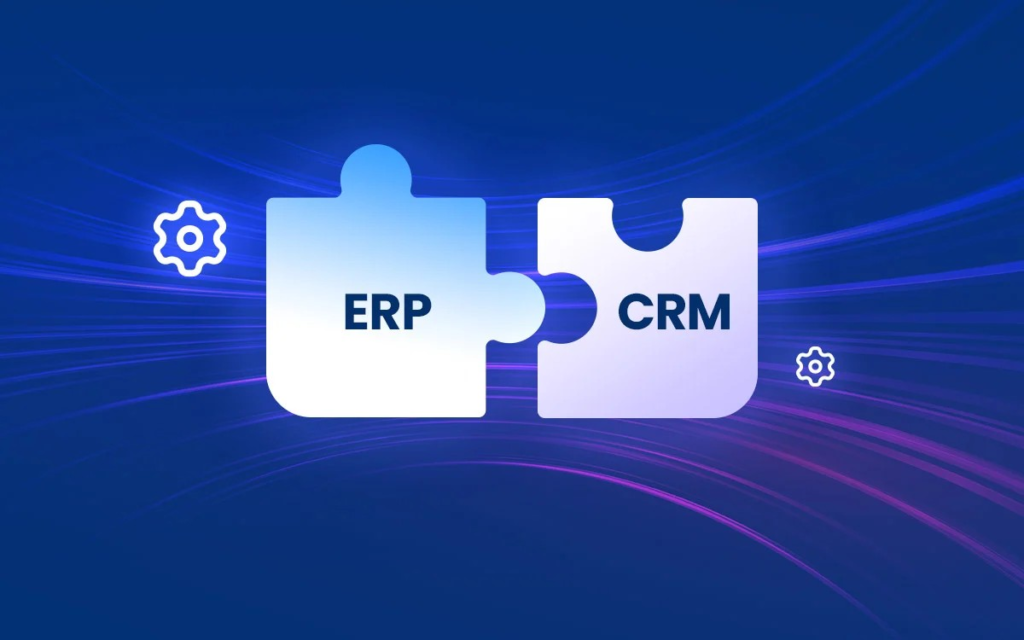
With the increasing pace of business operations and the growing demand for instant information access, it’s becoming more critical for companies to have real-time data at their fingertips. This is where the integration of ERP and CRM systems comes into play. Real-time integration allows for immediate data exchange and synchronization between these two systems, enabling businesses to make faster and more informed decisions.
By hiring a Microsoft integration company to consolidate ERP, CRM, and line-of-business systems, businesses can eliminate the need for nightly file drops and gain real-time insights into their operations and customer interactions. This not only improves operational efficiency and customer service but also provides a competitive edge in today’s fast-paced business environment.
Benefits of Real-time ERP and CRM Integration
Integrating ERP and CRM systems in real-time offers numerous benefits. Firstly, it eliminates data silos by ensuring that all relevant departments have access to the same, up-to-date information. This improves collaboration and reduces the chance of errors resulting from outdated or inconsistent data.
Secondly, real-time integration enhances customer service by providing a 360-degree view of customer interactions. This enables businesses to respond quickly and accurately to customer needs, thereby increasing customer satisfaction and loyalty.
Finally, by eliminating the need for manual data entry and file transfers, real-time integration improves efficiency and productivity. This not only saves time and resources but also reduces the risk of human error, thereby improving data accuracy and reliability.
Implementing Real-Time ERP and CRM Integration
Implementing real-time ERP and CRM integration can be a complex process that requires careful planning and execution. It involves the integration of two different systems, each with its own unique set of features and functionalities. Therefore, it’s crucial to choose an experienced Microsoft integration consulting firm to standardize APIs and event-driven architecture.
A competent integration partner can help businesses navigate through the integration process, ensuring that both systems are seamlessly connected and that data flows smoothly and accurately between them. They can also provide ongoing support and maintenance to ensure that the integrated system continues to operate optimally.
Examples of Real-Time ERP and CRM Integration in Action
Real-time ERP and CRM integration is being utilized by businesses across various industries to improve their operations and customer service. For instance, a retail company may use real-time integration to track inventory levels and customer purchases. By having instant access to this data, the company can ensure that they never run out of popular products and can provide personalized recommendations based on a customer’s purchase history.
Similarly, a manufacturing company may use real-time integration to monitor production processes and customer orders. This enables them to quickly respond to any changes in demand, thereby reducing lead times and improving customer satisfaction.
Conclusion
As businesses increasingly rely on data to drive their operations and decision-making processes, the need for real-time ERP and CRM integration is becoming more apparent. By eliminating the need for nightly file drops and providing instant access to critical data, real-time integration offers numerous benefits, including improved operational efficiency, enhanced customer service, and a competitive edge in the market.
However, implementing real-time integration is a complex process that requires the expertise of an experienced integration partner. Therefore, businesses should carefully consider their options and choose a reliable integration partner to ensure successful integration and maximum return on investment.
FAQs
What is real-time ERP and CRM integration?
Real-time ERP and CRM integration is the process of synchronizing data between Enterprise Resource Planning and Customer Relationship Management systems immediately as changes occur. This allows for real-time access to critical business and customer data.
Why is real-time ERP and CRM integration important?
Real-time integration is important as it eliminates data silos, enhances customer service, and improves operational efficiency by providing immediate access to up-to-date data. This enables businesses to make faster and more informed decisions.
How can businesses implement real-time ERP and CRM integration?
Implementing real-time integration can be complex and requires careful planning and execution. Businesses should partner with an experienced integration company, like a Microsoft integration consulting firm, to standardize APIs and ensure smooth data flow between systems.