

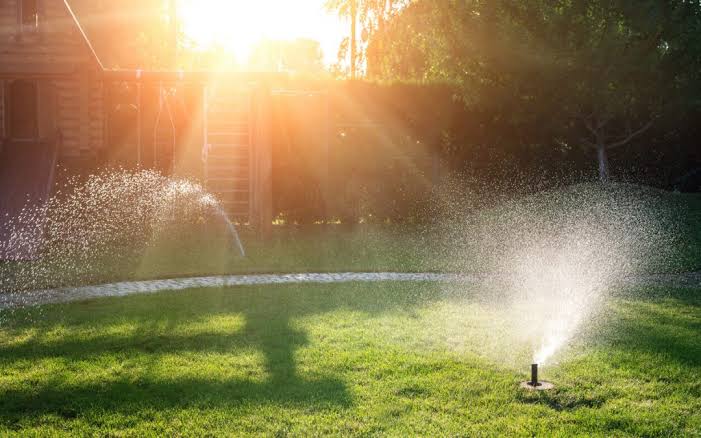
A vibrant, green lawn is a point of pride for Long Island homeowners, but achieving it can feel like a constant battle against sandy soil, salt air, and unpredictable local weather. Hand-watering is inefficient and inconsistent, often leaving dry patches while over-saturating others. The solution is a professional-grade irrigation system designed for your specific property.
Installing a sprinkler system is the single most effective step you can take to transform your lawn from a source of weekend chores into a resilient, beautiful landscape asset. It ensures precise, scheduled watering that promotes deep root growth and superior drought resistance. This guide walks you through the entire process, from initial planning to long-term maintenance, to help you make informed decisions for your property.
Whether you’re considering a DIY project or hiring a professional, understanding the components and principles of effective irrigation will ensure your investment pays off for years to come.
The Case for a Professional Sprinkler System on Long Island
Long Island’s unique environment presents distinct challenges for lawn care. The region’s soil profile often consists of sandy loam, which drains quickly and retains fewer nutrients and less moisture than clay-rich soils. This means water can percolate down beyond grass root zones before plants can absorb it, making frequent, shallow watering particularly ineffective.
Furthermore, local microclimates vary significantly from the North Shore to the South Shore, affecting evaporation rates and watering needs. Coastal areas deal with salt spray, while more inland properties may have denser soil. A cookie-cutter approach to irrigation fails here. A professionally designed and installed system accounts for these variables, applying water uniformly and efficiently where it’s needed most.
The benefits extend beyond a greener lawn. Automated systems conserve water by eliminating runoff and evaporation associated with midday watering. They also save you considerable time and increase your property’s value. For a seamless process, many homeowners choose to work with a specialist in Long Island sprinkler installation to ensure the system is optimized for local conditions.
Planning and Designing Your Irrigation System
A successful installation begins long before the first trench is dug. Careful planning prevents costly mistakes and ensures optimal coverage.
Conducting a Site Analysis
Start with a detailed plot plan of your property. Note the location of your house, driveways, gardens, trees, and utility lines. Identify full-sun, partial-shade, and full-shade areas, as these zones have vastly different watering requirements. You must also locate your main water supply and determine its flow rate (in gallons per minute) and water pressure (in pounds per square inch). This data is critical for designing zones that your water source can support.
Selecting the Right Sprinkler Heads
Not all sprinkler heads are created equal. Use rotary nozzles or impact rotors for large, open lawn areas; these deliver water in a sweeping stream and are ideal for covering big spaces with fewer heads. For smaller, rectangular strips, narrow borders, or flower beds, fixed spray heads are more appropriate. Many modern systems utilize matched-precipitation-rate heads within each zone to ensure every square foot receives the same amount of water.
Creating Hydraulic Zones
Your water supply can’t power all sprinkler heads at once. The system must be divided into zones—groups of heads that operate on the same valve—based on plant type (turf vs. shrubs), sun exposure, and the hydraulic capacity of your water line. A zone might include all the spray heads on the sunny side of the front lawn, while a separate zone controls rotors in the backyard.
Key Components of a Sprinkler System
Understanding the core parts of your system demystifies the installation and aids in troubleshooting.
- Controller: The brain of the system. Modern smart controllers can adjust watering schedules automatically based on local weather data, saving significant water.
- Valves: Electrically operated valves control the flow of water to each zone. They are typically housed in valve boxes buried in the ground for easy access.
- Sprinkler Heads: The endpoints that distribute water. They pop up when pressurized and retract when off.
- Piping: Schedule 40 PVC pipe is the standard for main lines and laterals. Polyethylene (poly) pipe is a flexible alternative often used for lateral lines.
- Backflow Preventer: A crucial safety device required by plumbing code. It stops contaminated water from siphoning back into your home’s clean water supply.
- Rain Sensor or Soil Moisture Sensor: These devices override the scheduled watering cycle during rainfall or when soil moisture is adequate, preventing wasteful overwatering.
The Installation Process: A Step-by-Step Overview
While professional installation is recommended for most, understanding the process helps you supervise a project or tackle a DIY install if you’re experienced.
- Trenching: Lines are dug for the main pipe (from water source to valves) and lateral lines (from valves to heads). Depth is critical—typically 8-12 inches to protect pipes from freezing and lawn equipment.
- Assembling the Backflow and Valve Manifold: The backflow preventer is installed above ground near the water source. The valve manifold, which houses the zone valves, is assembled and placed in its box.
- Laying Pipe and Installing Heads: Pipe is laid in trenches and connected. Sprinkler heads are installed on risers at the correct height to ensure they pop up clear of the grass.
- Wiring: Low-voltage wires run from the controller to each valve in the manifold, enabling independent zone control.
- Final Connections and Testing: The system is connected to the water main. Each zone is activated individually to check for proper operation, coverage, and any leaks. Heads are adjusted for precise spray patterns.
For a complex or large property, partnering with an expert in Long Island sprinkler installation ensures the job is done correctly, meets local codes, and avoids damage to existing landscaping or utilities.
Programming and Water Management for Long Island Lawns
Setting your controller correctly is as important as the physical installation. The goal is to apply about 1 to 1.5 inches of water per week, including rainfall, divided into 2-3 watering sessions. This encourages deep root growth.
Water deeply and infrequently, preferably in the early morning (4 a.m. to 8 a.m.) to minimize evaporation and wind disruption. Adjust your schedule seasonally: water more frequently in the peak summer heat and significantly reduce or shut off the system in spring and fall. Always adhere to any local Long Island water restrictions, which a smart controller can help you manage automatically.
Essential Maintenance for System Longevity
A sprinkler system requires periodic upkeep to maintain peak performance.
- Spring Start-Up: Slowly pressurize the system, check for damaged heads or leaks, and adjust spray patterns. Re-program the controller for the growing season.
- In-Season Checks: Monthly, run each zone and look for misaligned, clogged, or sunken heads. Ensure coverage isn’t blocked by growing plants.
- Fall Winterization: This is non-negotiable on Long Island to prevent freeze damage. Water must be completely blown out of all pipes, valves, and heads using a professional-grade air compressor. This is one service best left to professionals.
Frequently Asked Questions
How much does a new sprinkler system cost on Long Island?
Costs vary widely based on property size, complexity, and soil conditions. For a typical residential property, homeowners can expect an investment ranging from $3,000 to $5,000 or more. Factors include the number of zones, the type of heads, and the need for specialized equipment like a booster pump for low water pressure.
Can I install a sprinkler system myself?
While a DIY installation is possible for a small, simple yard with easy soil conditions, it is a significant undertaking involving trenching, plumbing, and electrical work. Mistakes can lead to poor coverage, water waste, or damage to your home’s water supply. For most homeowners, especially those with larger or sloped properties, professional installation ensures reliability, efficiency, and compliance with local codes.
How long does the installation take?
For a professional crew, a standard residential installation for a quarter- to half-acre property typically takes 2 to 4 days from trenching to final calibration. The timeline depends on the landscape’s complexity, soil type, and weather conditions during the project.
Will a sprinkler system increase my water bill?
Initially, you may see an increase because you are watering more effectively. However, a properly designed and managed system uses water far more efficiently than hand-watering or portable sprinklers, eliminating waste from runoff and evaporation. Over time, smart watering practices can lead to better conservation and a healthier lawn that requires less corrective care.
What is the most common sprinkler system problem?
Clogged or misaligned sprinkler heads are the most frequent issues. Debris from the water line can block nozzles, and lawn mowers or foot traffic can knock heads out of position. Regular visual inspections during watering cycles can catch these problems early.
How often should I have my system serviced?
An annual service schedule is ideal. This includes a professional spring start-up with a full system check and adjustment, and a fall winterization to blow out all water from the lines. A mid-season check-up can also identify and fix minor issues before they become major.
Conclusion
Transforming your Long Island lawn from a high-maintenance challenge into a lush, sustainable landscape is an achievable goal with the right irrigation system. The journey involves thoughtful planning tailored to your property’s specific sun, soil, and size, selecting quality components, and ensuring a precise installation. The result is not just aesthetic improvement but also tangible benefits like water conservation, increased property value, and the gift of time reclaimed from weekend watering chores.
The true value of a well-installed sprinkler system reveals itself over the seasons. It provides the consistent, deep watering that builds a drought-resistant turf capable of thriving in Long Island’s unique climate. By committing to proper programming and routine maintenance, you protect your investment and ensure your lawn remains a vibrant, healthy asset for years to come, effortlessly enhancing your home’s curb appeal and your enjoyment of your outdoor space.