

The Himalayas offer some of the world’s most breathtaking trekking, but the prospect of high altitudes and remote trails can be daunting for first-timers. The key to a successful first Himalayan experience lies in choosing a route that balances manageable challenges with immense rewards. Fortunately, Nepal provides exceptional options that serve as perfect introductions to mountain trekking without requiring extreme fitness or prior high-altitude experience.
Two standout routes consistently top the list for novice adventurers: the Langtang Valley Trek and the Ghorepani Poon Hill Trek. Each offers a distinct window into Nepal’s landscapes and cultures, with well-established teahouse infrastructure, moderate daily itineraries, and altitudes that minimize the risk of acute mountain sickness. These journeys are more than just scenic walks; they are immersive introductions to the rhythms of mountain life.
This guide navigates the specifics of both treks, comparing their unique appeals, logistical requirements, and what you can expect on the trail. Understanding the differences between the secluded valley of Langtang and the iconic ridges of Poon Hill will help you select the perfect beginner-friendly Himalayan route for your first adventure.
Why Choose a Beginner-Friendly Himalayan Trek?
For those new to trekking, the Himalayas present unique variables not found on typical long-distance hikes. The primary considerations are altitude, trail conditions, and access to support. Beginner-friendly routes are specifically characterized by a gradual ascent profile, which gives your body time to acclimatize. They also feature frequent villages with teahouse lodges, ensuring access to food, water, and shelter every few hours of walking.
These treks typically max out below 4,000 meters, a threshold that significantly reduces the likelihood of altitude-related illnesses when approached with a sensible itinerary. The trails themselves are well-trodden and often stone-stepped, requiring stamina but not technical climbing skills. Opting for such a route builds confidence, teaches essential trekking habits like pacing and hydration, and provides the foundational experience needed for more ambitious future journeys. It’s about enjoying the journey, not just surviving it.
The Langtang Valley Trek: A Cultural Immersion
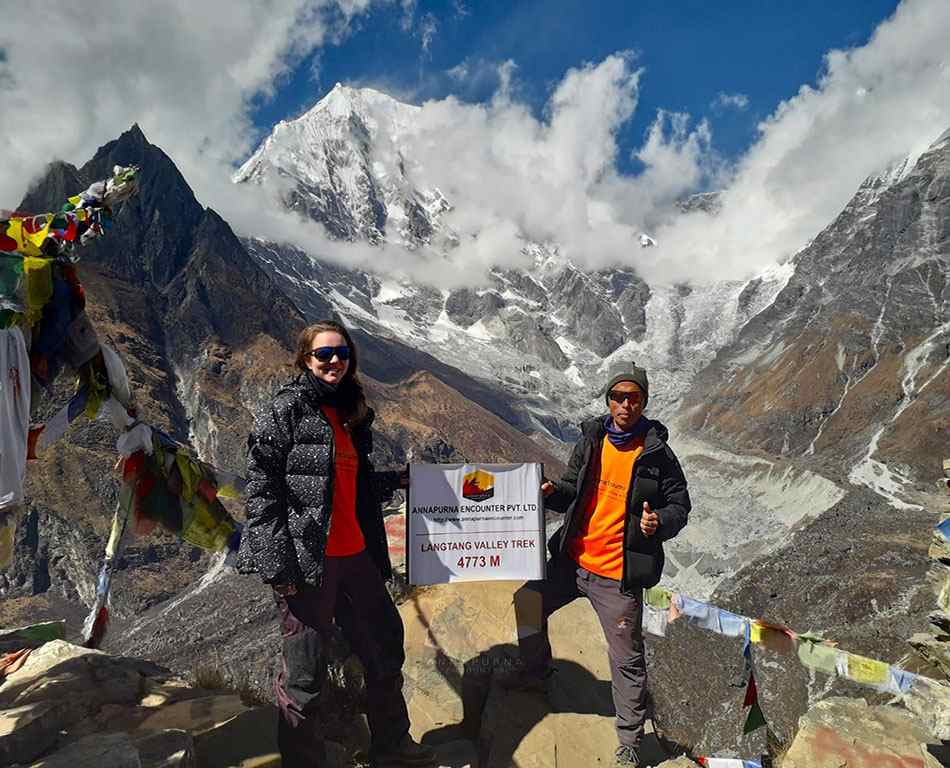
Often called the “valley of glaciers,” the Langtang region lies directly north of Kathmandu, bordering Tibet. This proximity infuses the area with a strong Tibetan Buddhist culture, evident in the monasteries, prayer flags, and the resilient spirit of the Tamang and Sherpa communities who rebuilt their homes after the 2015 earthquakes. The trek feels more secluded than the famed Everest or Annapurna circuits, offering a sense of serene discovery.
The standard Langtang Valley Trek itinerary spans 7 to 10 days, starting with a scenic drive from Kathmandu to Syabrubesi. The walking begins through lush subtropical forests that gradually give way to pine and rhododendron. A key acclimatization day is usually spent in the village of Kyanjin Gompa (3,870m), which serves as the trek’s high point. From here, day hikes to Kyanjin Ri or the nearby glacier provide stunning panoramic views without requiring a heavier pack.
Key Highlights and Navigation Tips
The trek’s major draw is the dramatic transition from forested hillsides to the stark, U-shaped glacial valley. You’ll witness Langtang Lirung (7,227m) towering above. Navigation is straightforward on the main trail, but hiring a local guide is recommended. They provide invaluable cultural context, manage teahouse bookings, and ensure a safe and respectful journey. The best seasons are spring (March-May) for rhododendron blooms and autumn (October-November) for clear skies.
The Ghorepani Poon Hill Trek: Classic Mountain Vistas
If your dream involves iconic, sunrise-lit panoramas of snow-capped giants with minimal trekking days, the Ghorepani Poon Hill Trek is arguably the most accessible classic in Nepal. Nestled in the Annapurna foothills, this route is a compact loop that delivers maximum scenic impact for a relatively short time investment. It’s ideal for those with limited vacation time or families introducing older children to trekking.
The classic itinerary is a 4 to 5-day loop, beginning with a drive from Pokhara to Nayapul. The trail ascends through vibrant Gurung and Magar villages and vast forests of rhododendron, which blaze with color in the spring. The culmination is an early morning climb to Poon Hill (3,210m) for a 360-degree sunrise view over the Annapurna and Dhaulagiri ranges—a truly unforgettable spectacle. The route then typically descends through different villages like Ghandruk, known for its traditional stone houses and rich culture.
Managing Expectations and Crowds
The Poon Hill viewpoint is deservedly popular, which means you won’t be alone at sunrise. To navigate this, start your climb well before dawn with a headlamp. While the main trail can be busy during peak seasons, the sense of community among trekkers is often part of the charm. For a quieter experience, consider traveling in the shoulder seasons (late September or April). The teahouse network here is exceptionally developed, offering comfortable lodging and varied menus.
Comparing Your Options: Langtang Valley vs. Ghorepani Poon Hill
Choosing between these two excellent beginner-friendly routes depends on your personal preferences for scenery, culture, and trip pacing.
For Cultural Depth and a Sense of Solitude: Choose Langtang. The Langtang Valley Trek offers a more immersive cultural experience, with a strong Tibetan influence and communities still recovering and rebuilding. The landscape feels wilder, and you’ll encounter fewer trekkers than on the Annapurna trails. It requires a longer time commitment (7-10 days) and involves a slightly higher altitude, making it a good “next step” for a beginner who is confident in their basic fitness.
For Iconic Views and Time Efficiency: Choose Ghorepani Poon Hill. The Ghorepani Poon Hill Trek is the quintessential introduction. Its shorter duration and lower altitude make it less physically demanding. The payoff is immediate and spectacular, with guaranteed breathtaking mountain vistas. It’s a social trek with many fellow hikers and excellent infrastructure. This is the best choice for first-time trekkers, those with tight schedules, or anyone who prioritizes photogenic mountain panoramas.
Logistically, both treks require obtaining the TIMS (Trekkers’ Information Management System) card and a national park entry permit. Langtang requires the Langtang National Park permit, while Ghorepani Poon Hill requires the Annapurna Conservation Area Permit (ACAP).
Essential Preparation for Any Beginner Trek
Regardless of your chosen route, proper preparation is non-negotiable for safety and enjoyment.
Physical Fitness: You do not need to be an athlete, but you should be capable of walking 4-6 hours per day, with elevation gains of 500-800 meters, for consecutive days. Incorporate stair climbing, hiking with a daypack, and leg-strength exercises into your routine for 2-3 months prior.
Packing Smart: The mantra is “layers.” A moisture-wicking base layer, insulating mid-layer (fleece or down), and a waterproof/windproof shell are essential. Break in your hiking boots thoroughly before you go. Other critical items include a quality sleeping bag (teahouses provide blankets but can be cold), a headlamp, a reusable water bottle with purification tablets or a filter, and a basic first-aid kit.
Mindset and Health: Walk slowly—”pole pole” as they say in the mountains. Hydration is your best defense against altitude headaches. Listen to your body and communicate any concerns to your guide immediately. Travel insurance that covers emergency evacuation up to 5,000 meters is absolutely mandatory.
Frequently Asked Questions
How difficult are these treks for a complete beginner?
Both treks are classified as moderate and are suitable for beginners with average fitness. The Ghorepani Poon Hill Trek is generally considered easier due to its shorter duration and lower altitude. The Langtang trek involves longer walking days and reaches a higher elevation, making it moderately more challenging but still very achievable for a prepared novice.
What is the best time of year to go?
The optimal seasons are autumn (October to November) and spring (March to May). Autumn offers stable, clear weather and excellent mountain views. Spring brings warmer temperatures, blooming rhododendrons, and more vibrant landscapes. Winters can be cold, especially at higher elevations, and the summer monsoon (June to September) brings rain, leeches, and obscured views.
Do I need a guide or porter?
While it is possible to trek independently on these routes, hiring a guide is highly recommended for first-timers. A guide handles navigation, provides cultural interpretation, assists with language barriers at teahouses, and ensures your safety. A porter can carry the bulk of your luggage, allowing you to trek with only a daypack, which greatly enhances enjoyment and reduces fatigue.
What is the food and accommodation like?
Accommodation is in teahouses—basic but comfortable family-run lodges with private or shared rooms. Food is plentiful and carb-heavy to fuel your walking: staples include dal bhat (lentil soup and rice), noodles, pasta, soups, and pancakes. Dietary restrictions can often be accommodated with advance notice.
Is altitude sickness a risk on these routes?
The risk is low but not zero. The Ghorepani Poon Hill Trek peaks at 3,210m, where altitude sickness is uncommon. The Langtang Valley Trek reaches 3,870m at Kyanjin Gompa. By following a gradual ascent schedule (not increasing sleep altitude by more than 500m per day once above 2,500m) and taking an acclimatization day, the risk is well-managed. Know the symptoms (headache, nausea, dizziness) and descend if they worsen.
How do I get to the trailheads?
For Langtang, you take a 7-8 hour drive (or a shorter flight plus drive) from Kathmandu to Syabrubesi. For Ghorepani Poon Hill, you fly or take a tourist bus from Kathmandu to Pokhara (a 25-minute flight or 6-7 hour drive), then a 1.5-hour drive from Pokhara to Nayapul to begin walking.
Conclusion
Choosing between the Langtang Valley and Ghorepani Poon Hill treks is a decision between two equally rewarding but distinct visions of the Himalayas. Langtang offers a deeper cultural journey into a resilient valley with a powerful sense of place, perfect for those seeking a slightly more rugged and contemplative experience. Poon Hill delivers the iconic, wide-open mountain vistas that define the Himalayan dream in a highly accessible and efficient package.
Both routes stand as testament to the fact that “beginner-friendly” does not mean compromising on awe-inspiring scenery or authentic adventure. They provide the perfect framework for learning how to trek responsibly and joyfully in high mountains. By carefully preparing and selecting the route that aligns with your interests, you set the stage for an unforgettable first Himalayan adventure that will likely be the first of many.