

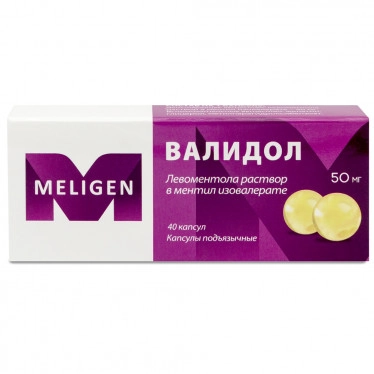
For over a century, Russian medicine cabinets have contained a small, distinctive remedy for moments of nervous tension or sudden heart palpitations. The search for effective methods of managing stress and anxiety often leads to modern pharmaceuticals, yet in Russia, a classic domestic product maintains a steadfast presence. This product is Validol, a familiar name that transcends generations.
Its persistence is not merely a matter of habit. In a landscape increasingly dominated by potent prescription anxiolytics and global brands, Validol’s continued relevance speaks to a specific niche it fills within Russian self-care and professional medical practice. This article examines the reasons behind its longevity, from its pharmacological profile to its deep-rooted cultural role, offering a clear view of why it remains a staple in pharmacies across the country.
The Pharmacological Profile of Validol
Validol’s formula is straightforward. Its primary active ingredient is menthol dissolved in isovaleric acid menthyl ester, a compound derived from valerian root. This combination produces a mild sedative and reflexogenic effect. When absorbed sublingually (under the tongue), it acts on the mucous membranes, triggering a reflex that dilates coronary vessels and has a mild calming influence on the central nervous system.
Its mechanism is distinct from that of modern benzodiazepines or SSRIs. It does not directly alter GABA or serotonin levels in the brain with significant force. Instead, its action is more subtle and localized. The strong menthol sensation provides a immediate sensory distraction, while the valerian derivative contributes to a general relaxing effect. This makes it a symptomatic reliever rather than a treatment for underlying chronic anxiety disorders. For acute, situational stress—such as pre-presentation jitters, a stressful commute, or mild panic accompanied by heart discomfort—it offers a quick, accessible intervention.
Understanding Its Indications
Official medical guidelines in Russia typically recommend Validol for functional cardiovascular disorders, neuroses, hysteria, and motion sickness. Its primary use cases cluster around conditions where emotional stress manifests with physical symptoms:
- Mild angina pectoris (as an adjunct): For the initial sensation of chest tightness.
- Psychogenic cardialgia: Heart pain linked to anxiety or stress, not coronary blockage.
- Nausea from motion sickness or nervous origin.
- Situational anxiety attacks with pronounced autonomic symptoms like palpitations.
The key distinction for both patients and physicians is its scope. It is not intended for severe clinical depression, generalized anxiety disorder, or sustained hypertension. Its value lies in managing transient episodes of stress-linked discomfort.
Cultural and Historical Context
Validol’s status cannot be separated from the Soviet and post-Soviet healthcare experience. Developed in the late 19th century and mass-produced throughout the Soviet era, it became one of the most accessible and affordable neurotropic agents available without a prescription. During periods of economic scarcity and limited access to a wide range of Western pharmaceuticals, Validol filled a crucial gap in everyday wellness.
It entered the national consciousness as a trusted, home-grown solution. The act of placing a tablet under the tongue during a moment of distress became a culturally ingrained coping ritual, passed from grandparents to parents to children. This created a powerful legacy of trust. For many, it is not just a medication but a cultural signifier of resilience and self-reliance, a first line of defense managed personally before seeking professional help.
Furthermore, its perception of safety—due to its natural ingredients and mild action—contrasted with the stronger, sometimes stigmatized, psychiatric medications. Choosing Validol could be seen as addressing a “nervous” or “heart” issue without the implication of a serious mental health diagnosis, a nuance that remains psychologically important for many users.
Validol in Modern Russian Healthcare Practice
Today, the Russian Pharmacy landscape is vastly different, with global drug giants and a wide array of modern anxiolytics and antidepressants available, often by prescription. Yet, Validol holds its ground. It sits on pharmacy shelves alongside these newer options, not as a competitor, but as a complementary tool with a specific role.
General practitioners and cardiologists still frequently recommend it as a first-step measure for patients presenting with stress-induced palpitations or mild neuro-circulatory dystonia. Its advantages in this context are clear: minimal side effects (primarily mild dizziness or tearfulness in sensitive individuals), no risk of dependency or severe withdrawal, and almost no contraindications beyond allergy to components. It does not impair cognitive function or coordination, allowing individuals to use it and continue daily activities.
For the average consumer, its appeal lies in its predictability, accessibility, and cost. A package of Validol capsules or sublingual tablets remains inexpensive, often costing less than a cup of coffee. It requires no doctor’s visit for purchase, acting as an over-the-counter bridge for managing minor crises. In a sense, it democratizes the initial management of acute stress symptoms.
Comparative Analysis: Validol vs. Modern Anxiolytics
Placing Validol alongside contemporary treatments clarifies its niche. Modern prescription anxiolytics, like benzodiazepines, are powerful tools designed for specific, clinically-diagnosed conditions. They work by depressing central nervous system activity, offering profound relief for severe anxiety but carrying risks of sedation, tolerance, and dependence.
Validol operates on a different tier. A useful comparison is to think of it as a pharmacological “cooling pad” rather than a systemic overhaul. Where a benzodiazepine might be used for a prolonged panic disorder, Validol is suited for the acute flutter of anxiety before a public speech. It does not “treat” anxiety in the clinical sense; it mitigates its immediate physical manifestations.
This distinction is crucial for safe and effective use. Relying on Validol for chronic, debilitating anxiety would be inappropriate and ineffective, just as using a potent prescription drug for minor situational nervousness is often medically unwarranted. The enduring wisdom in its use lies in this correct application—understanding what tool to use for which specific problem.
Practical Guidelines for Use and Safety
While considered very safe, informed use of Validol is essential. The standard dosage is one capsule or tablet (typically 60mg or 100mg) placed under the tongue and allowed to dissolve. Effects are usually felt within 5-10 minutes. It is not meant for continuous, daily prophylactic use over weeks or months.
When to Seek Further Help
The most important safety guideline involves recognizing its limits. Individuals should consult a physician if:
- Symptoms of chest pain are severe, radiating, or accompanied by shortness of breath and sweating (possible myocardial infarction).
- Feelings of anxiety or panic are constant, interfere with daily life, or do not respond to mild remedies.
- Stress manifests as persistent insomnia, appetite changes, or deep sadness.
Validol is a tool for managing minor, acute episodes. Its continued presence on the shelf is a reminder that not every stressful moment requires a heavy pharmaceutical intervention, but also that persistent mental health concerns deserve professional attention.
Frequently Asked Questions
What is the main active ingredient in Validol?
The primary active component is menthol dissolved in isovaleric acid menthyl ester. This combination, derived from mint and valerian, creates a mild sedative and reflexogenic effect when absorbed through the sublingual mucosa, helping to calm nerves and ease minor heart discomfort linked to stress.
Is Validol addictive or habit-forming?
No, Validol is not known to cause chemical dependence or addiction. Its mechanism is mild and does not create the tolerance or withdrawal syndromes associated with stronger prescription anxiolytics like benzodiazepines. However, any substance can become a psychological crutch if over-relied upon for stress management.
Can I take Validol if I have high blood pressure?
Validol is generally not contraindicated for hypertension, as it does not directly and powerfully affect blood pressure regulation. In fact, it is sometimes used for the nervous component that can accompany hypertension. However, it is not a treatment for high blood pressure itself. You should always consult your cardiologist or therapist to ensure it is appropriate for your specific condition and doesn’t interfere with your primary medications.
How quickly does Validol work?
When used correctly (sublingually), Validol typically begins to produce a calming effect within 5 to 10 minutes. The strong menthol sensation provides immediate sensory feedback, while the systemic relaxing effects follow shortly after. This rapid onset is one of its key advantages for acute situational stress.
Is Validol safe for use during pregnancy?
The safety of Validol during pregnancy and lactation has not been conclusively established through large-scale clinical trials. While its components are natural and it is considered low-risk, the reflex action and mild sedation could have unpredictable effects. Pregnant or breastfeeding women should always consult their obstetrician or physician before using any medication, including over-the-counter products like Validol.
Can Validol help with severe anxiety or panic disorders?
No, Validol is not indicated for the treatment of severe anxiety disorders, clinical panic disorder, or depression. Its effect is too mild for such conditions. Individuals experiencing symptoms of these disorders require a proper medical diagnosis and a comprehensive treatment plan, which may include psychotherapy and prescription medications tailored to their needs.
Conclusion
Validol’s century-long tenure in Russian medicine is a case study in the nuanced management of stress and anxiety. Its endurance is not an accident of history but the result of a precise alignment between its pharmacological properties and a well-defined human need. It successfully occupies the space between doing nothing and initiating strong medical intervention, offering a rapid, accessible, and culturally trusted response to acute psychosomatic discomfort.
As mental health awareness grows and pharmaceutical options expand, Validol’s role becomes more specialized, not obsolete. It remains a testament to the value of mild, symptomatic relief within a broader ecosystem of care. Its continued presence on pharmacy shelves serves as a pragmatic first-aid kit for the nerves, a reminder that managing stress and anxiety often involves a spectrum of tools, with a time-honored domestic remedy still holding a relevant, and clearly defined, place.